
Home Systems & Energy
Emergency Furnace Repair Services for Winter Breakdowns
Emergency furnace repair services for winter breakdowns: safe first checks, warning signs, repair costs, and how to choose a 24-hour HVAC company.
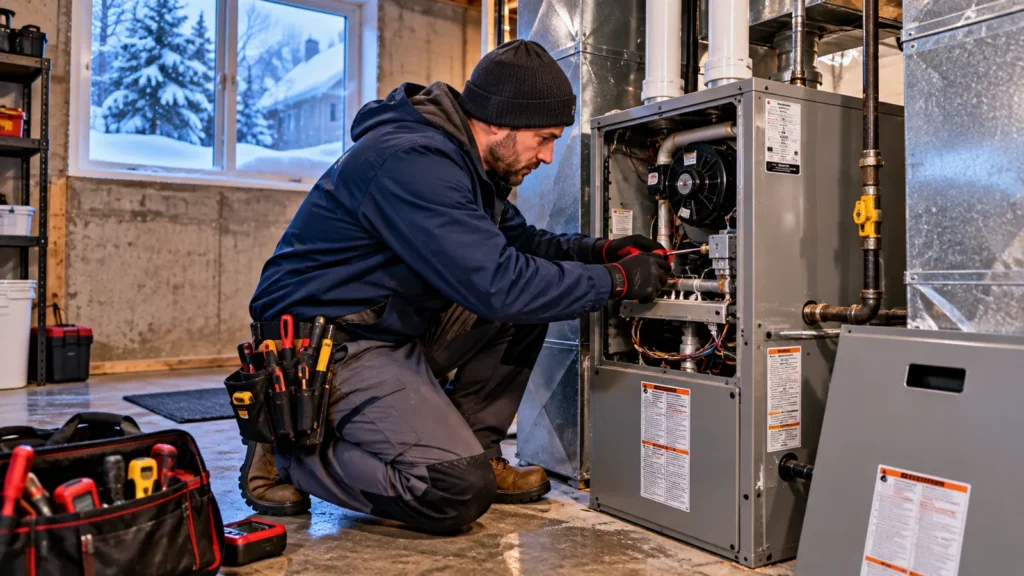
Image disclosure: Images are AI-generated illustrations, not photographs of FixingManual projects or hands-on product tests.
A furnace failure on a cold night can become a no heat emergency, and it is more than a comfort problem. Emergency furnace repair services are most urgent when freezing temperatures can endanger occupants or plumbing, or when gas, combustion, or electrical faults create immediate hazards. The first decision is not which part to replace; it is whether everyone can remain in the house safely.
Emergency furnace repair services typically diagnose no-heat calls after normal business hours, restore operation when a safe repair is possible, or make the system safe and arrange a follow-up. Homeowners can perform a few basic checks, but gas valves, burners, venting, wiring, and safety controls belong to trained technicians.
At FixingManual, this guide focuses on safe first steps, realistic repair-cost planning, what an HVAC technician should diagnose, and how to compare a 24-hour furnace repair company without rushing into an unnecessary replacement.
Leave the Home and Call for Help When Safety Is in Question
If you smell gas, hear escaping gas, or a carbon monoxide alarm sounds, move everyone outside immediately. Do not switch lights, use a phone inside, light a flame, or try to find the leak. Call 911 or the gas utility from a safe location and follow their instructions.
Headache, dizziness, weakness, nausea, chest pain, or confusion can be symptoms of carbon monoxide exposure. Seek fresh air and emergency medical help. Carbon monoxide has no color or odor, so a working alarm is essential. Never use an oven, grill, camp stove, or portable generator to heat a home.
Also stop and call for professional help for smoke, sparks, a burning odor, scorched wiring, repeated breaker trips, visible flame rollout, or water contacting electrical components.
Safe Checks Before Calling Emergency Furnace Repair Services
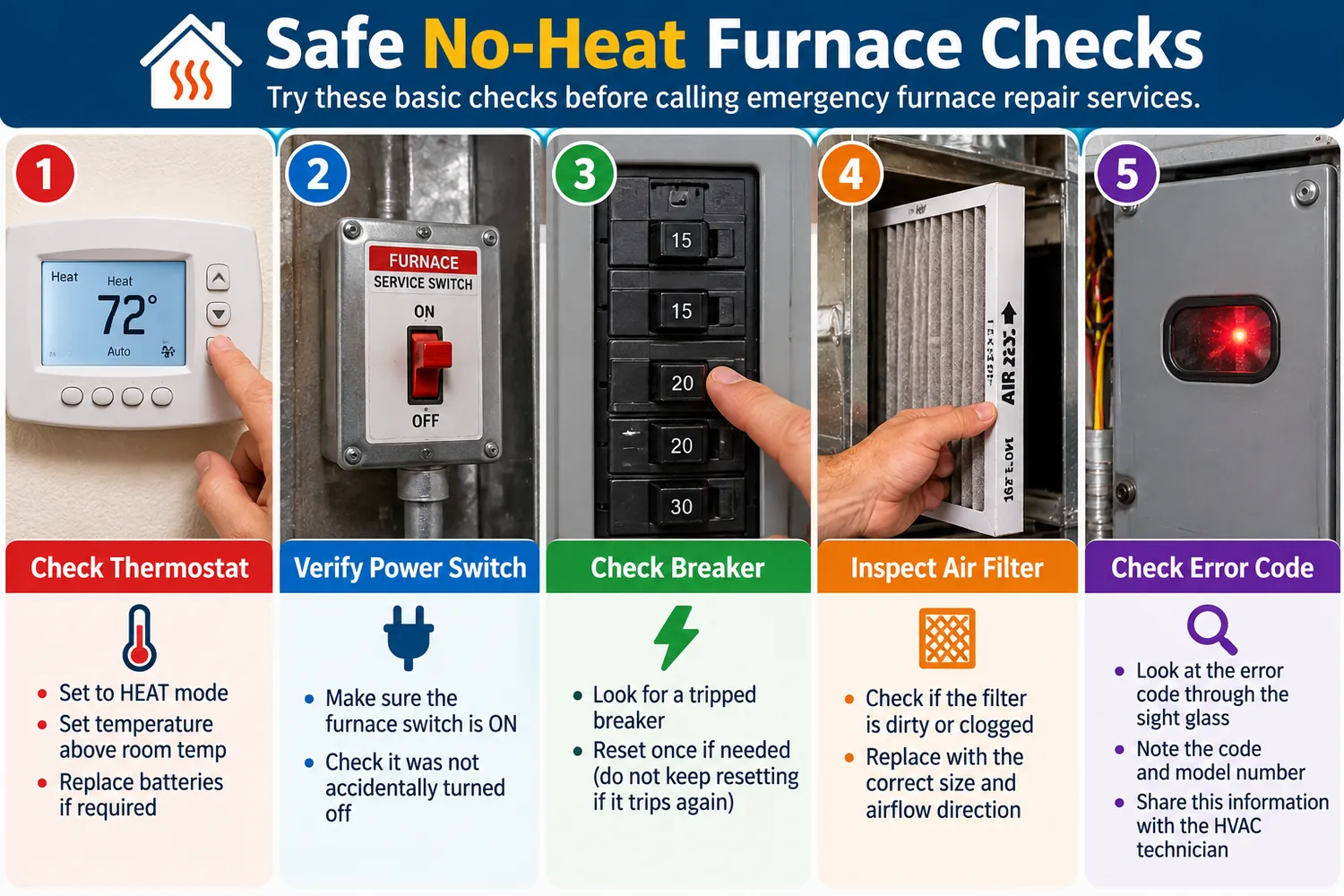
If there is no gas odor, alarm, smoke, or electrical hazard, check the thermostat mode and setpoint. Replace user-serviceable batteries if the manual allows. Confirm the furnace service switch was not bumped off and look at the labeled breaker once. If it is tripped, do not repeatedly reset it; a second trip indicates a fault.
Make sure the furnace access panel is seated, because many units have a door safety switch. Inspect the filter and replace it if it is heavily loaded, using the correct size and airflow direction. Check whether supply registers and return grilles are open and unobstructed.
Modern furnaces may display an error code through a sight glass. Photograph the sequence and consult the model’s manual, but do not bypass a safety switch or open sealed combustion areas. Give the code, model number, fuel type, and symptoms to the dispatcher.
What Emergency Furnace Repair Services May Cost
HomeGuide’s furnace-repair guide, dated August 27, 2025, lists about $140–$210 per hour for emergency HVAC labor. Its overall $125–$480 repair range is a general repair benchmark, not an after-hours total. Ask about dispatch, diagnosis, minimum time, parts, travel, and holiday charges separately; a complex repair can cost substantially more.
| Billing item | Question before authorizing |
|---|---|
| Dispatch and diagnosis | What is the minimum charge, and does it include any repair time? |
| Emergency labor | Is the rate per technician, and when does premium billing apply? |
| Parts and additional work | Will the tested fault and full repair price be approved before work proceeds? |
Published guide figures are background, not a provider’s offer. Confirm the total authorization limit and whether the diagnostic charge is credited toward a repair. Do not compare a labor-only rate with a completed-job price.
What Emergency Furnace Repair Services Should Diagnose
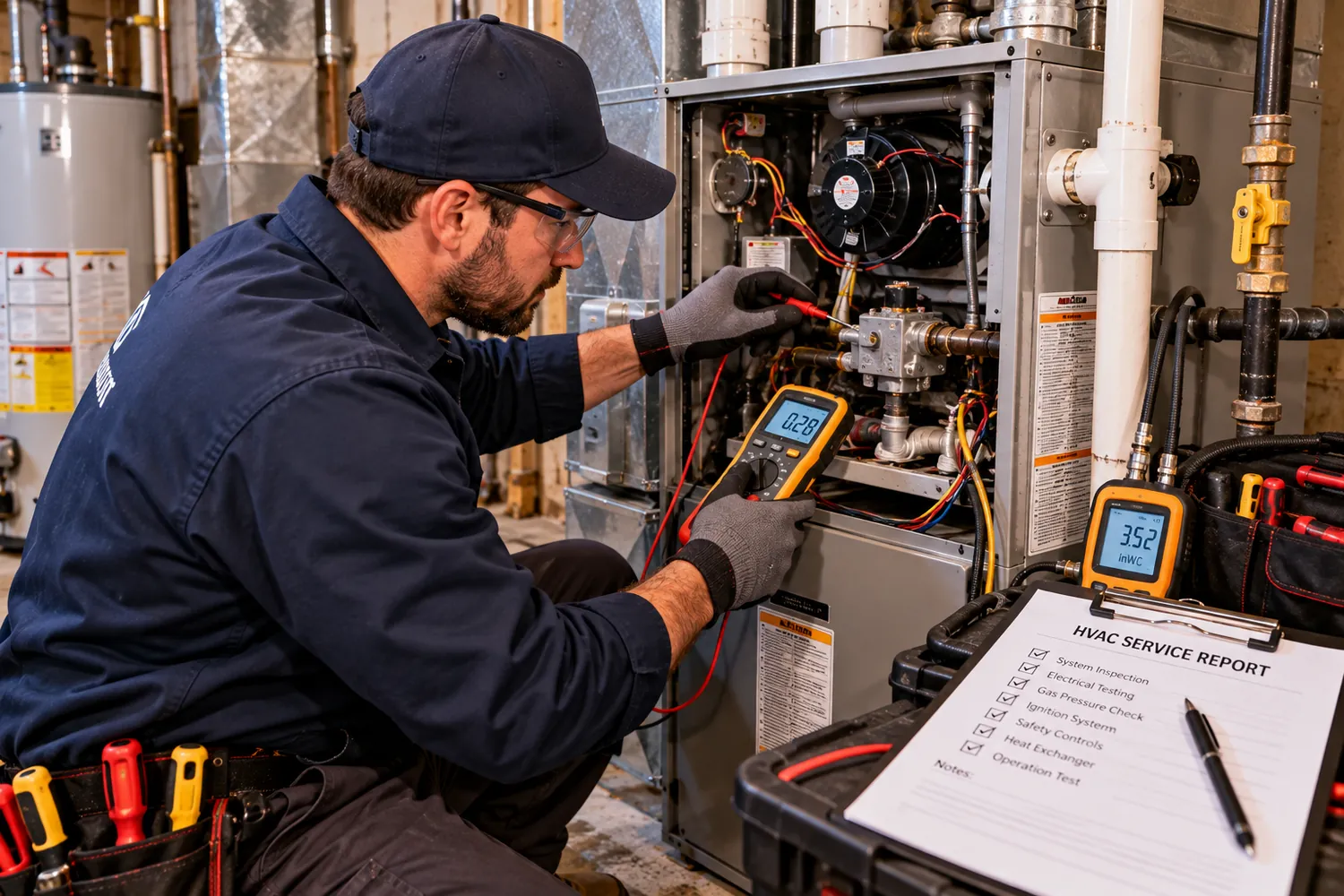
A qualified HVAC technician should verify the thermostat call, electrical supply, control sequence, airflow, ignition, flame proving, pressure switches, venting, gas pressure where applicable, temperature rise, and relevant safety controls. Replacing the part named by a blinking code without testing the system can miss the cause.
For example, a pressure-switch code can relate to venting, condensate, an inducer problem, tubing, or the switch itself. A limit fault may reflect low airflow rather than a defective limit control. Ask the technician to explain the failed test and show the relevant reading when practical.
Repair Tonight or Replace the Furnace?
Emergency conditions create pressure, but replacement is rarely a decision to make from one verbal statement. If the furnace can be made safe, request a written repair option and a separate replacement proposal. Age, repair history, efficiency, fuel type, heat-exchanger condition, comfort problems, and the availability of parts all matter.
A red-tag or shutdown related to combustion safety should not be bypassed. Ask for the measured finding, applicable safety concern, and permitted next steps. If a major replacement is proposed, a second opinion may be worthwhile as long as the home remains safely heated elsewhere.
If replacement becomes the better option and you are comparing whole-home HVAC choices, our central air conditioner installation cost guide for cold climates explains equipment, duct, electrical, and heat-pump planning factors that may also affect the project.
Emergency Furnace Repair Services: What to Have Ready Before Dispatch
Before calling for 24 hour furnace repair, collect the furnace model number, fuel type, visible error code, and a short description of what happened before the heat stopped. If the furnace not heating problem continues after the safe thermostat, switch, breaker, filter, and access-panel checks above, tell the dispatcher exactly which checks you completed. Photograph a blinking error-code sequence rather than repeatedly resetting the equipment.
If the call is a no heat emergency during severe cold, also explain whether children, older adults, or medically vulnerable people are in the home. For gas furnace repair cost questions, ask for the dispatch or diagnostic fee, after-hours surcharge, labor structure, parts policy, approval limit, and warranty terms before work begins.
A professional winter HVAC service visit should leave you with a receipt or written record showing the equipment model, diagnosis, work performed, and relevant readings. This information helps you understand whether the furnace was safely restored, temporarily stabilized, or needs a separate follow-up repair or replacement decision.
How to Choose a 24 Hour Furnace Repair Company
Look for a real local business with licensing and insurance appropriate to your jurisdiction. Confirm that the person arriving is authorized to work on the fuel and equipment type. Ask whether “24-hour service” means an on-site technician or only a call center.
Before authorizing work, request:
- The dispatch and diagnostic fees.
- The after-hours or holiday surcharge.
- A written repair price before parts are installed.
- Warranty terms for labor and components.
- Payment methods and cancellation policy.
- A receipt showing model, diagnosis, work, and readings.
Avoid technicians who demand full payment before arrival, refuse to identify the company, or pressure you into immediate replacement without documenting the fault.
Keep People and Pipes Safer While You Wait
Close curtains, limit opening exterior doors, and gather occupants in a smaller interior area. Dress in layers and use blankets. Use only listed electric space heaters on a flat surface, at least three feet from combustible items, plugged directly into a wall outlet. Never use an extension cord or leave a heater unattended.
If indoor temperatures continue to fall, relocate children, older adults, and people with medical vulnerabilities. Follow local guidance for warming centers. To reduce frozen-pipe risk, open sink-cabinet doors where plumbing is on an exterior wall and maintain safe heat. If evacuation becomes necessary, ask a plumber or utility about winterizing rather than guessing at drain-down procedures.
If water damage occurs after a frozen or burst pipe, our water damage restoration guide explains extraction, structural drying, and cleanup steps after the immediate plumbing problem is controlled.
Preventive Steps Before the Next Cold Snap
Arrange annual service before winter, replace filters on the schedule appropriate to the system, keep intake and exhaust terminals clear of snow, and test carbon monoxide alarms. Know the furnace model, utility emergency number, main gas shutoff location, and trusted HVAC provider. Do not operate a furnace with a known safety defect.
A maintenance visit should check the operating sequence, venting, combustion safety, electrical connections, temperature rise, blower condition, condensate system, and manufacturer-required tasks. If air sealing or attic insulation is also being planned, see our attic spray foam vs. fiberglass cost guide before finalizing heating and cooling upgrades.
Ask for the Diagnosis Before Approving Parts
Request the observed fault, the test supporting it, the proposed correction, and the total authorized charge. Ask whether the emergency visit will restore safe heat or only make the equipment safe pending parts. Keep the service record for later decisions. If the symptom began at the control, share the observations from our thermostat troubleshooting guide without assuming the thermostat is the cause.
Frequently Asked Questions
Is no heat always an emergency?
It depends on outdoor temperature, occupants, and the building. In severe cold or for vulnerable residents, no heat can become urgent quickly. Gas odors, CO alarms, fire, and electrical hazards are emergencies regardless of temperature.
Can I reset my furnace?
One user-level power cycle may be allowed by the manual when there are no safety warnings. Repeated resets can hide a fault and stress components. Never bypass a switch or continue after a breaker trips again.
Will homeowners insurance pay for furnace repair?
Routine wear and mechanical failure are often excluded. Review your policy and ask the insurer rather than assuming coverage.
Emergency Furnace Repair Services: The Bottom Line
During a winter furnace breakdown, safety comes first: leave for gas or carbon monoxide warnings and avoid improvised heating. For an ordinary no-heat call, document symptoms, perform only basic checks, and obtain pricing before dispatch. Good emergency furnace repair services explain the test results, restore safe operation when possible, and separate urgent repair from longer-term replacement decisions.
Sources
Keep reading
Related Articles
Home Systems & Energy
Aluminum Wiring Pigtail Repair Cost for an Older Home
Home Systems & Energy