
Home Systems & Energy
Sewer Camera Inspection Cost Before Buying an Older House
Learn sewer camera inspection costs before buying an older house, what a sewer scope can reveal, and which report details to request before closing.
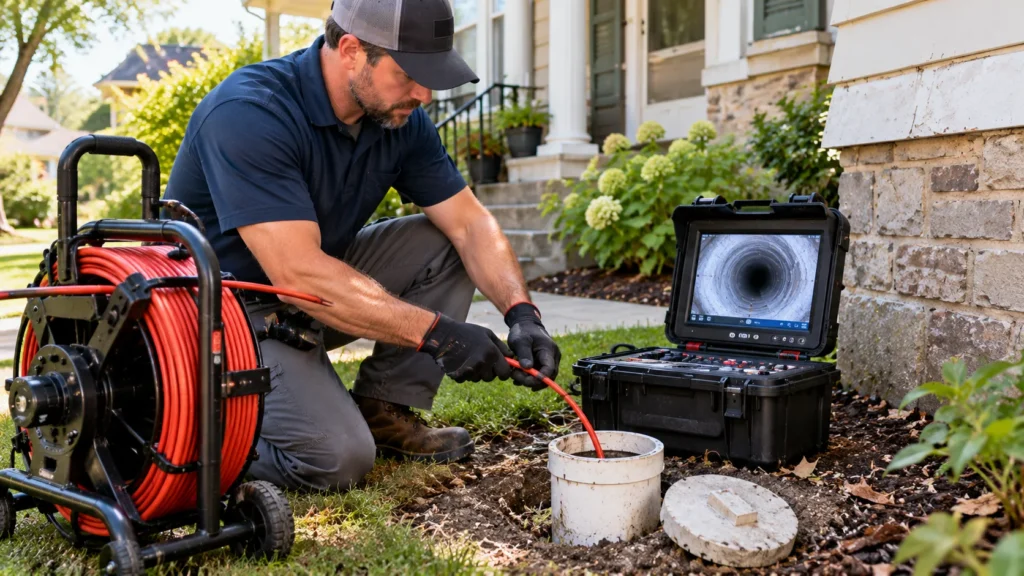
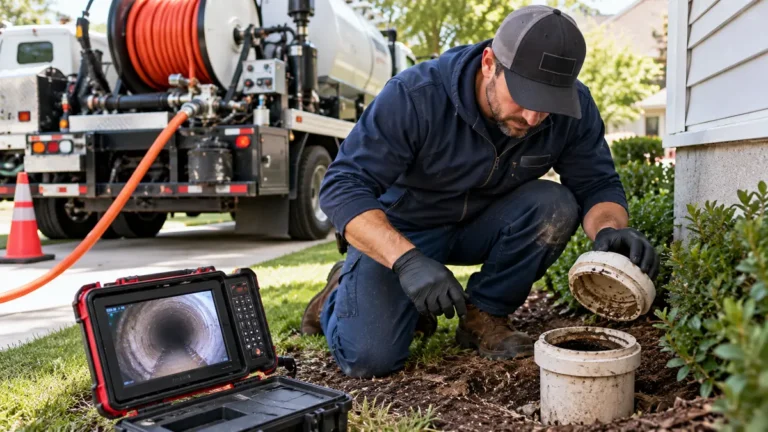
The kitchen may look updated while the sewer beneath the yard has received little attention. During an older home purchase, a sewer scope can provide information that a walkthrough and ordinary drain use cannot. It is a separate investigation of a specific pipe, with its own access requirements and limitations.
Budgeting for sewer camera inspection cost before buying a house means checking more than the appointment fee. You need to know which section will be inspected, what evidence you receive, and whether the inspection can be completed within your purchase schedule. A video without a clear explanation may leave you with more questions than answers.
Planning note: Prices below are national planning references, not contractor quotes. Local access, travel, inspection scope, and reporting requirements can change the final price.
Sewer camera inspection cost before buying a house
HomeGuide publishes a typical sewer camera inspection range of $125–$500 when a cleanout provides access. It lists approximately $100–$250 when added to a home inspection, and $175–$750 when access requires removing a toilet. These categories overlap; they are not charges to add together automatically.
| Inspection arrangement | Published planning range | Important qualification |
|---|---|---|
| Standalone scope with cleanout | $125–$500 | Confirm the inspected route and report |
| Add-on to a home inspection | $100–$250 | Check availability and exact scope |
| Access involving toilet removal | $175–$750 | Owner authorization and restoration may be needed |
Local prices may fall outside these ranges. Your sewer camera inspection cost may change when travel, a video recording, defect locating, or additional access work costs extra. Cleaning a blocked sewer and repairing it are separate services unless the estimate expressly includes them.
What the inspection actually covers
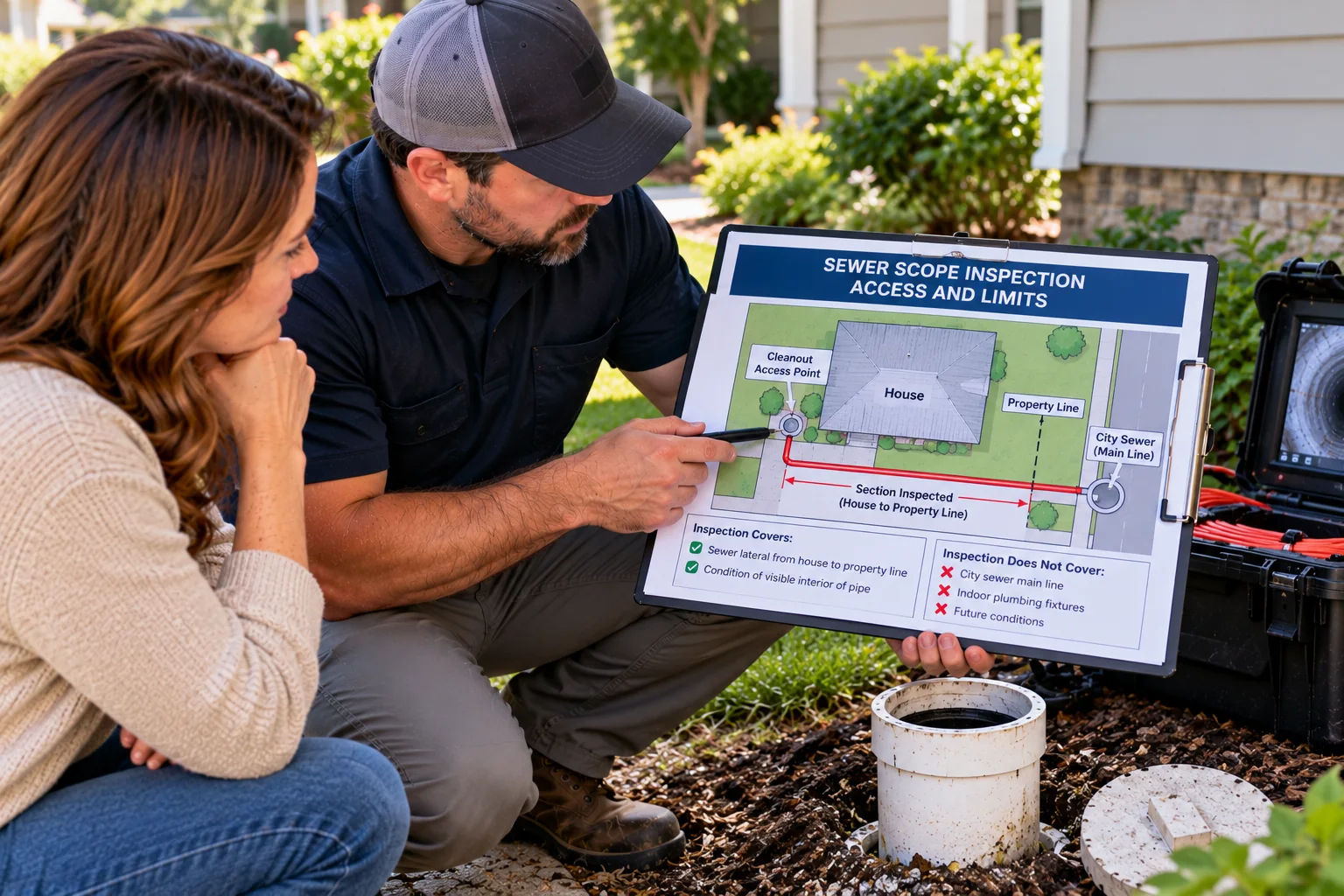
InterNACHI’s sewer scope standard describes a visual examination of the lateral running from at or near the house foundation toward its sewer connection or septic tank. Its reporting requirements address observed material defects and inaccessible portions. The standard also emphasizes that the inspection cannot predict future conditions or reveal everything hidden from view.
Ask the provider to identify the intended starting point and endpoint for your property. The sewer camera inspection cost should clearly correspond to the agreed route and report. “Main line inspected” is too vague when part of the route could not be reached. The agreement should distinguish the sewer lateral from smaller indoor branch drains, which may need different evaluation.
For a septic property, a sewer camera view does not replace an appropriate septic system inspection. Confirm separately which tank and disposal components will be evaluated. Similarly, a scope should not be presented as a complete assessment of every plumbing fixture in the house.
Why older houses warrant careful questions
Age alone does not prove that a sewer is defective. Some older properties have newer replacement laterals, while a relatively recent pipe can have installation or movement problems. Ask for documented replacement work rather than relying on the listing’s general statement that plumbing was updated.
Collect any available invoices, permits, prior recordings, and information about recurring backups. A remodeled bathroom does not establish that the underground lateral was replaced. Ask whether previous work covered the entire run or only one section.
Mature landscaping, prior excavations, and additions can also make route information useful. Share these observations with the inspector as questions, not conclusions. The purpose of the scope is to establish what can actually be seen and where further evaluation is necessary.
Pre-scheduling planning questions
Who performs and explains the scope?
Ask about sewer inspection experience, equipment, and relevant local qualifications. Confirm whether the operator supplies a written interpretation or only a recording. If a defect appears, find out who can explain its significance and whether an independent repair estimate is available.
Where is the usable access point?
The seller or agent may be able to locate a cleanout before the appointment. Ask who authorizes any toilet removal or other intrusive access, and who restores the fixture afterward. Do not assume the inspector can perform additional work without advance agreement.
What happens if the camera cannot finish?
A blockage, difficult bend, or submerged section may prevent a complete view. Ask whether you pay for the attempted inspection, what the report will state, and whether another appointment would be needed after cleaning. An incomplete scope is information about a limitation, not a clean bill of health.
What a useful sewer inspection report should say
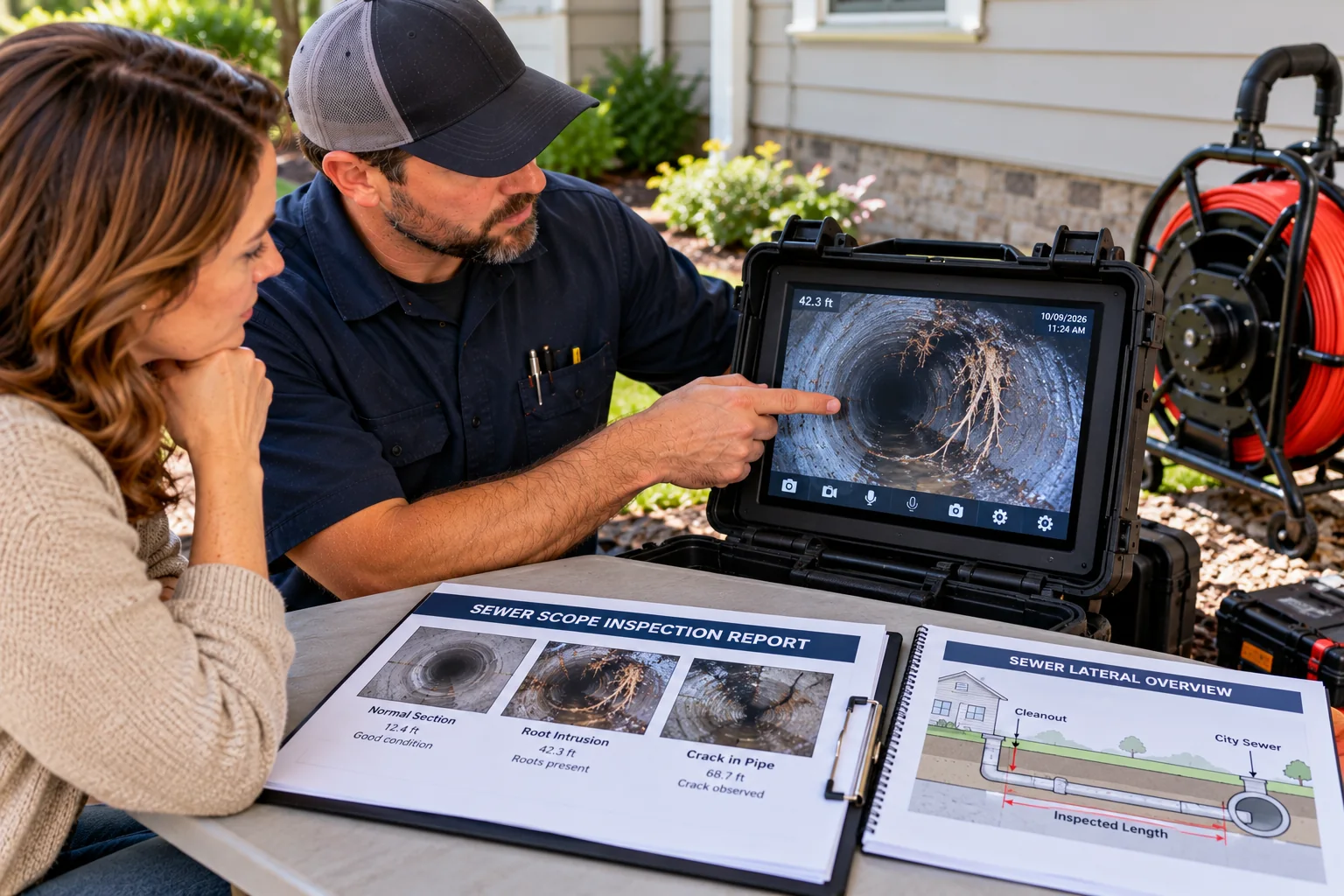
Look for the inspected route, access location, pipe observations, identified concerns, and inspection limitations. A useful report helps you judge whether the sewer camera inspection cost matches the work delivered. Request the video in a format you can retain. An explanation tied to a timestamp is easier to discuss with another contractor than an unsupported statement that the line looks bad.
If repair planning may follow, ask whether distance measurements and surface locating are available as additional services. They can help a contractor investigate a particular area, but they should not be assumed to be included in every basic scope. Confirm their accuracy and limitations with the provider.
Ask the inspector to distinguish observed facts from recommendations. A visible concern deserves an explanation of what was seen, what remains uncertain, and the proposed next step. The wording should not turn a camera observation into an automatic recommendation to replace the entire sewer.
How to handle a concerning result
First, request clarification while the footage is available. Ask which finding affects function now, which issue warrants monitoring, and which area could not be evaluated. Avoid trying to judge a pipe solely from a single screenshot without the operator’s explanation.
Next, obtain a written estimate for any recommended cleaning, further assessment, or repair. The scope fee is not a repair allowance. A separate proposal should describe the affected section, access, restoration, and any necessary permits. If cleaning is recommended, compare it with our guide to hydro jetting costs for a sewer line. For more extensive work, review the average main sewer line replacement cost before comparing proposals.
Finally, discuss the findings with your real estate professional within the applicable purchase deadlines. Options depend on your contract and the seller’s response. This article does not determine what concessions you can demand or whether you should waive a contingency.
Budgeting without paying twice for the same information
When comparing sewer camera inspection cost as a home-inspection add-on with a standalone plumber’s scope, ask whether both offer equivalent reporting. A lower bundled fee may be convenient, while a separate appointment may provide additional scheduling or diagnostic options. Neither arrangement is automatically more thorough.
Ask whether a repair contractor can work from the original recording. A second visit may still be necessary, particularly for locating work or changed conditions, but keeping complete records can reduce avoidable repetition. Obtain permission before sharing any recording that includes private property information.
Real buyer problems a sewer scope can solve
A camera inspection is most useful when it answers a specific risk instead of producing a vague pass-or-fail label. Older homes often raise questions about roots, clay or cast-iron pipe, prior repairs, and whether the line reaches the public main. The following problems deserve a clear explanation in the report.
Roots, cracks, and recurring blockages
Roots may enter through a failed joint or crack. Light roots may be monitored or cleaned, while heavy intrusion, repeated backups, or roots associated with a damaged joint deserve a repair estimate. Ask whether cleaning is a temporary maintenance step or whether the video shows a structural defect that will remain.
Offset joints and collapsed sections
An offset joint means two pipe sections no longer meet smoothly. A small offset is not automatically a replacement order, but a severe offset can catch waste or restrict the camera. A collapsed or missing section is more urgent. Request the video timestamp, distance from the access point, and an approximate surface location before comparing repair proposals.
Bellies and standing water
A belly is a low section where water remains in the pipe. One image of standing water does not show its length, depth, or effect on flow. Ask whether the camera passed through it and whether additional measurement is needed. Do not approve excavation solely because a contractor uses the word “belly” without explaining the actual functional risk.
Grease, debris, and a recently cleaned line
Grease and debris may be removable, but cleaning does not repair a crack, separated joint, or collapse. Ask whether the line was jetted or cleared before the camera entered it. A clean-looking video after recent jetting may still require clarification about the pipe’s joints and structural condition.
An incomplete inspection
A blocked line, tight bend, submerged section, or missing cleanout can stop the camera. An incomplete scope is not a clean bill of health. The report should state where the camera stopped, why it stopped, whether the buyer authorized cleaning, and what follow-up would complete the inspection.
How to read the sewer inspection report before closing
Use this six-question framework:
- What was inspected? Confirm the access point, route, and intended endpoint.
- What was not inspected? Identify blocked, submerged, or unreachable sections.
- Where is the concern? Request footage distance and surface locating when available.
- How serious is it? Separate deposits and minor roots from flow obstruction, breaks, and collapse.
- What remedy is proposed? Ask why cleaning, spot repair, lining, bursting, or excavation fits the finding.
- What will the local repair cost? Obtain an itemized estimate from a qualified repair contractor.
Ask the inspector to distinguish observed facts from recommendations. InterNACHI’s sewer-scope standard describes a visual inspection and notes that a camera cannot predict future conditions or reveal everything hidden from view. Keep the full recording and written report; a short verbal “looks good” is poor evidence for a major purchase.
Who is responsible for the sewer lateral?
Responsibility varies by city, utility, easement, and local ordinance. In some communities the homeowner maintains the lateral from the house toward the public main; in others, the responsibility boundary is different or shared. The Milwaukee Metropolitan Sewerage District explains that local communities may define lateral responsibility differently. Do not assume a contractor’s statement applies nationwide.
Before closing, contact the local sewer utility or public works department. Ask where private responsibility ends, whether a permit is required for repair, whether the property lies in a sewer-backup assistance area, and whether records are available. This step can prevent a buyer from negotiating over the wrong section of pipe.
Questions to ask the inspector
- Will the camera travel from the house to the public main or septic connection?
- Will I receive the complete video and a written report?
- Will footage marks, pipe material, and inaccessible sections be listed?
- Is cleaning included, or is it a separate charge?
- Who authorizes toilet removal and pays for fixture restoration?
- Can a major defect be located from the surface?
- What happens if the camera cannot finish the run?
- Does the inspector also perform repairs, and can another contractor use the recording?
Schedule early enough to obtain repair estimates before the inspection contingency expires. A cheap inspection that arrives after the deadline may provide less practical value than a properly documented inspection completed on time.
What to do after a concerning result
Request an explanation while the footage is available, then obtain a separate written estimate. The estimate should identify the affected length, access method, excavation or trenchless method, permits, utility locating, disposal, landscape or pavement restoration, and warranty. Compare cleaning, spot repair, trenchless work, and excavation only after the contractor explains why each option suits the actual pipe.
For an expensive recommendation, seek an independent second opinion. Discuss documented options with your real-estate professional before the contract deadline. This article cannot determine whether a seller must repair the line or provide a credit; those outcomes depend on the contract and local circumstances.
Repair options at a glance
| Option | May suit | Important question |
|---|---|---|
| Cleaning or root cutting | Deposits or limited roots in a structurally sound pipe | Why did the buildup occur, and could it return? |
| Spot repair | One localized break or joint | How will the location be found and restored? |
| Trenchless lining or bursting | Some longer defects where route and access permit | Is the pipe geometry suitable, and what preparation is needed? |
| Excavation and replacement | Collapse, severe deformation, or multiple defects | Are permits, utilities, pavement, and landscaping included? |
Illustrative buyer example
Imagine a buyer pays $300 for a scope. The video shows light roots near the street but stops at a dense blockage. The responsible next step is not to call the line “good” or immediately replace it. The buyer should ask whether clearing the blockage can complete the view, confirm the endpoint, and obtain a written repair estimate if a structural defect is found. This example is illustrative, not a report from an actual customer.
Buyer checklist before the inspection deadline
- Ask for sewer repair records, permits, and prior videos.
- Locate the cleanout and confirm access.
- Compare equivalent quotes, not only the lowest price.
- Confirm the route, endpoint, report, and full-video delivery.
- Record every section the camera could not inspect.
- Get itemized estimates for material defects.
- Verify private-versus-public responsibility with the local utility.
- Keep the report for future maintenance and insurance records.
The technical and pricing references used for this guide are listed in the verified sources section below.
Frequently asked questions
Does a standard home inspection include a sewer camera?
Do not assume it does. Read the agreement and ask whether a separate camera scope is included, what route it covers, and whether the video is provided.
Is a sewer scope worth it before buying an older house?
It is often a sensible add-on when the home has large trees, recurring drain symptoms, unknown repair history, older pipe materials, or expensive local sewer repairs.
Can the camera inspect the whole line?
Not always. Blockages, bends, collapse, standing water, and missing access can stop the camera. The report should clearly identify the endpoint and limitation.
What does a sewer belly mean?
It is a low section where water remains. Ask about its length, effect on flow, and whether further measurement is needed before choosing excavation.
Are roots an emergency?
Light roots may be monitored or cleaned, but heavy intrusion, recurring backups, or roots entering through a damaged joint deserve prompt evaluation and an itemized estimate.
Should the seller pay for a sewer repair?
That depends on the purchase contract and negotiation. Use the report and independent estimates when discussing repair, credit, or price changes before the applicable deadline.
Does a clear scope guarantee no future problems?
No. It records visible conditions in the accessible route at one time. Future roots, movement, blockages, or defects outside the camera’s view can still occur.
Should I accept a seller-provided video?
Review its date, property identification, route, endpoint, and completeness. A short clip without context may not answer the buyer’s current questions.
Making the inspection useful
Schedule early enough to review the findings and obtain follow-up estimates. Choose clear documentation over a vague pass-or-fail label. The best sewer camera inspection cost value comes from knowing what was inspected, what remains uncertain, and what a reasonable next step would cost.
Sources and further reading
- HomeGuide: Sewer camera inspection cost and access options
- Seattle Public Utilities: Taking Care of Your Sewer Pipe
- City of Tacoma: Sewer inspection information for buyers and sellers
- InterNACHI: Sewer Scope Inspection Standards of Practice
- Milwaukee Metropolitan Sewerage District: Sanitary sewer laterals
FixingManual provides general homeowner education. Inspection scope, pricing, purchase deadlines, responsibility boundaries, and repair decisions vary by property and location. Confirm local requirements with the sewer utility and qualified professionals.
Keep reading
Related Articles
Home Systems & Energy
Generator Interlock Kit Installation Cost for a Portable Generator
Home Systems & Energy