
Outdoor & Garden
Mudjacking vs Polyurethane Foam for a Sunken Driveway
Compare driveway lifting quotes, mudjacking and polyurethane price ranges, slab suitability, finish expectations, drainage and warranty coverage.
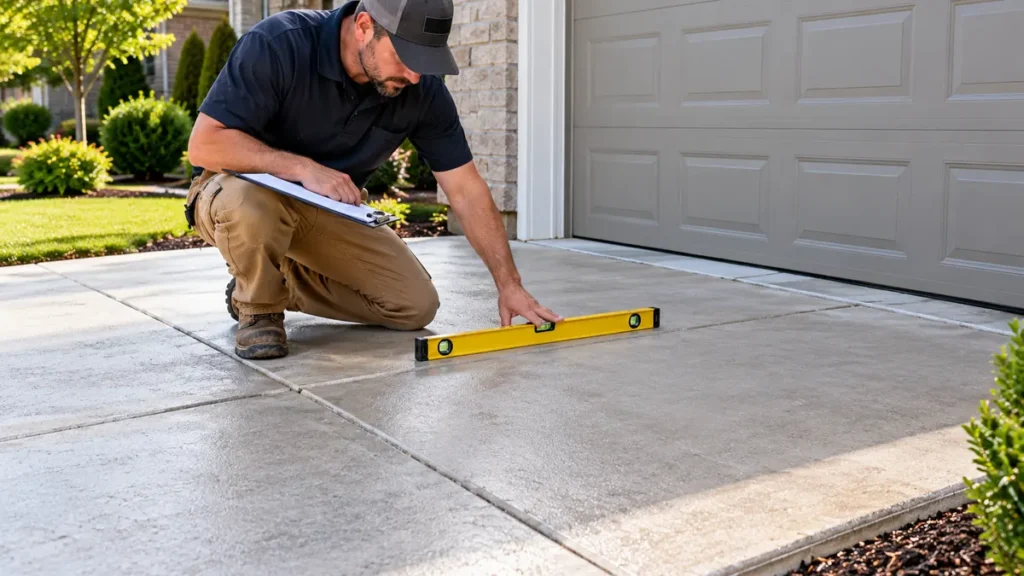
Mudjacking vs polyurethane cost is only useful to compare after confirming that the sunken driveway is suitable for lifting. Mudjacking has the lower published unit range, while polyurethane may offer advantages in material weight and hole size. The better choice depends on the slab and the reason it settled.
HomeGuide lists mudjacking at $4 to $9 per square foot and polyurethane lifting at $8 to $25 per square foot. Its polyjacking guide also describes minimum job fees of $300 to $700 or more. Use these figures for early planning, then request a site-specific quote. [1]
Before comparing mudjacking vs polyurethane cost, find out whether your driveway is a good lifting candidate. Raising severely broken concrete can leave you with a more level surface that still needs replacement.
How the two methods differ
Both methods place material beneath an existing slab to support and raise it. Mudjacking uses a slurry, while polyurethane lifting uses an expanding foam system. Installation should be controlled by an experienced crew following the requirements of its equipment and materials.
Raise Rite, a contractor offering both methods, describes polyurethane as using smaller drilled holes and lighter fill than its mudjacking system. Those are useful differences to discuss, but the exact hole size, material properties, and performance depend on the proposed system. [2]
Ask what the contractor intends to do at each affected slab. Filling a void and achieving a specified elevation are related tasks, but they are not necessarily the same quoted service. The proposal should identify the desired outcome.
Mudjacking vs Polyurethane Cost: Compare the Same Repair Area
Measure or have the contractor identify the slab area included in each proposal. The price may apply to the affected panels rather than the whole driveway. Mark them on a drawing so both contractors quote the same work.
The following calculations apply HomeGuide’s published unit ranges to example areas. They exclude any additional work and do not override minimum charges or a contractor’s actual quotation. [1]
| Area to be treated | Mudjacking allowance | Polyurethane allowance |
|---|---|---|
| One hundred square feet | $400 to $900 | $800 to $2,500 |
| Two hundred square feet | $800 to $1,800 | $1,600 to $5,000 |
| Three hundred square feet | $1,200 to $2,700 | $2,400 to $7,500 |
An inexpensive unit price can still produce a higher total if the company quotes more area or adds separate charges. Ask whether setup, hole patching, cleanup, and taxes where applicable are included.
For a small repair, compare the actual total rather than calculating savings from square-foot rates. Minimum service charges can dominate the bill when only one short section needs attention.
Decide whether the existing concrete is worth lifting
Ask the inspector to assess the slab’s condition, cracks, surface deterioration, and relationship to adjoining panels. A slab that remains sufficiently intact may be a better candidate than one divided into unstable pieces.
Discuss the reason for settlement. Water movement, loss of support, or another ground problem can affect the repair plan. Ask what evidence the contractor found and which conditions must be corrected separately.
Why Is My Concrete Driveway Sinking?
A driveway usually starts sinking when the ground beneath one or more concrete slabs can no longer support them evenly. This may happen because the original soil was not compacted properly, water has washed away supporting material, or the ground has gradually settled over time. A leaking downspout, poor drainage, or repeated water movement near the driveway can make the problem worse.
Before choosing a repair method, look at where the movement is happening. Is only one panel sinking near the garage? Are several sections dropping along the same edge? Does rainwater collect in the low spot? These observations won’t tell you exactly what’s happening underground, but they can help a contractor investigate the right area.
The important thing to understand is that lifting the concrete and fixing the reason it sank are two different jobs. If water continues removing soil from beneath the driveway, even a properly lifted slab may settle again. Ask the contractor to explain what caused the loss of support, how they plan to restore it, and whether drainage work is needed before or alongside the repair.
Have areas near the garage, foundation, steps, and drains reviewed carefully. The desired elevation must work with surrounding features. Simply raising the slab until its edge matches the neighbor may not produce the intended drainage or clearance.
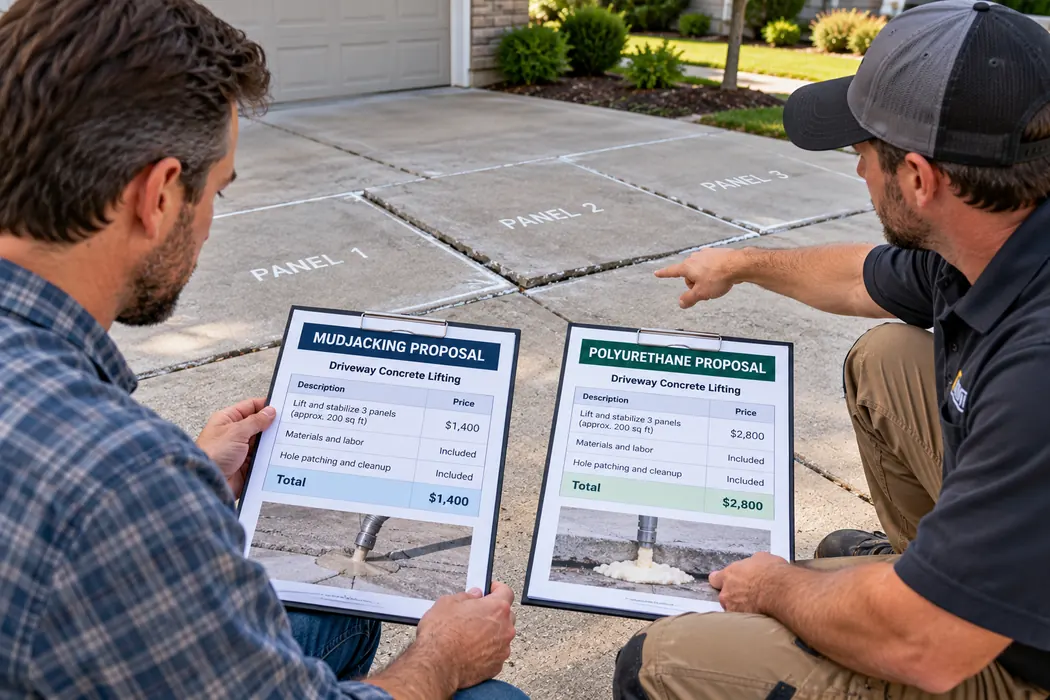
Material weight and hole size can matter
Ask whether the proposed fill adds meaningful load under your particular slab and whether that affects suitability. Foam’s lower weight can be useful in some conditions, but it does not remove the need to understand the underlying ground.
Smaller holes may be appealing on decorative or stamped concrete. Ask how each hole will be patched and how closely the finish can match the original surface. A repair can be structurally useful without becoming visually invisible.
Request photographs of comparable completed work from each contractor. Examine both the immediate result and examples after time in service if available. Treat those examples as evidence of the company’s work, not a guarantee that your driveway will behave identically.
Will Mudjacking or Polyurethane Foam Stop the Driveway From Sinking Again?
Neither method can guarantee that a driveway will never settle again. Both are designed to restore support beneath suitable concrete slabs, but their long-term performance depends on the condition of the ground, drainage, installation quality, and whether the original cause of settlement has been addressed.
Polyurethane foam adds less weight beneath the slab than a conventional cement-based slurry. That can make it worth considering when the supporting soil is already a concern. Still, choosing foam does not automatically solve an ongoing washout or drainage problem. Mudjacking can also be an appropriate repair when the slab and ground conditions suit the method.
Instead of relying on a contractor’s general claim that a repair will last for a certain number of years, ask what conditions could cause renewed settlement. Find out whether the warranty covers repeat movement, what exclusions apply, and whether the contractor will inspect the area again if the driveway starts sinking. A clear explanation of these limits is more useful than an unsupported lifetime promise.
Include drainage and joints in the conversation
Tell the inspector where rainwater collects and whether runoff approaches the garage or house. Ask what final elevations are intended and how the contractor will check drainage after lifting.
What If Your Driveway Slopes Toward the House?
A sunken driveway becomes more concerning when rainwater starts moving toward the garage or foundation instead of away from the building. In this situation, choosing between mudjacking and polyurethane foam is only part of the decision. The repair also needs to leave the concrete at an elevation that supports proper drainage.
For example, lifting the panel closest to the garage might reduce a noticeable dip, but it could also change how water flows across the neighboring panels. That’s why the contractor should check the entire affected area rather than focusing only on the lowest spot.
Polyurethane foam is lighter than traditional mudjacking slurry, which may be an advantage where adding weight is a concern. However, neither material automatically corrects poor drainage or underlying soil problems. Ask the contractor to show you the proposed final elevations and explain where rainwater will go after the work is finished. If water is entering the garage or collecting against the foundation, a drainage or foundation specialist may need to assess the problem before lifting begins.
Joint treatment and crack sealing may be separate items. Have the quote identify whether they are included, recommended later, or outside the company’s services. Do not assume a patched injection hole means all water-entry paths have been addressed.
Avoid creating a drainage change without considering nearby property and local requirements. If the project needs a drain or substantial regrading, obtain a separate plan from the appropriate professional rather than treating it as a minor lifting adjustment. Our yard runoff and erosion guide discusses a separate planning concern when water is moving soil around the property.
Time before driving depends on the system
Ask when pedestrian use, vehicle parking, and normal driving can resume. Request the instructions for the specific materials and repair, rather than relying on an advertised curing time from another product.
Discuss weather restrictions and what happens if conditions change on installation day. Temperature, moisture, equipment access, and the condition of the slab can affect scheduling. The contractor should explain how the planned work meets its product requirements.
Arrange parking and access before the crew arrives. Keep vehicles, pets, and people away from the active work area. Ask who removes barriers and authorizes use after the final check.
Know when replacement deserves a quote
Request a replacement estimate when the concrete is extensively broken, deteriorated, or unsuitable for the intended lifting result. Compare the full replacement scope, including removal, base preparation, new concrete, and restoration of adjacent areas.
How Do You Know When a Sunken Driveway Needs Replacement?
A driveway that has settled is not necessarily beyond repair. If the concrete is still reasonably intact and the supporting ground can be stabilized, lifting may be worth considering. The decision becomes more complicated when several panels have broken into separate pieces, the surface is badly deteriorated, or the original base was poorly constructed.
Start by looking at the type of damage rather than just how far the slab has dropped. A single intact panel with an uneven edge is a different problem from a driveway with widespread cracking, loose sections, and recurring movement. Lifting may improve the elevation of damaged concrete, but it will not restore the strength of a badly deteriorated slab or rebuild an unsuitable base.
If a contractor recommends replacement, ask which specific conditions make lifting unsuitable. Request an estimate that separately identifies demolition, removal, base preparation, drainage corrections, new concrete, and finishing. Comparing these details with a lifting proposal will help you understand whether the higher initial cost addresses problems that lifting would leave behind.
A lift may address settlement without changing an unattractive surface or poor original layout. If those issues are your main concern, a lower lifting price may not purchase the improvement you want.
Compare realistic service outcomes rather than a promised number of years. The condition of the slab, ground, water management, and workmanship all matter. Ask each contractor what remaining limitations the proposal leaves in place.
Read the concrete lifting proposal carefully
Look for a written description of the affected panels, repair objective, included fill, patching, cleanup, and final checks. Ask how additional material beyond an allowance is priced and whether a change order is required.
Verify local licensing requirements and insurance. Discuss utility locating and any privately owned lines that need additional attention. The crew should know about irrigation, buried electrical service, drains, or other relevant site features before drilling or working around the driveway.
Read the warranty’s coverage and exclusions. Ask whether it addresses renewed settlement, material failure, or workmanship, and whether service visits have charges. Check transfer rules and any maintenance obligations.
Keep before-and-after photographs and the written quote. If settlement returns, record its location and when it appeared. Those details help the contractor evaluate whether the condition falls within the warranty or involves a different cause.
7 Practical Checks Before Accepting a Driveway Lifting Quote
1. Identify the exact panels
Walk the driveway with each bidder and mark the panels being considered for repair. Record adjacent steps, garage openings, drains and areas that have already been patched. Have the contractor put the same boundaries on a photograph or sketch so a later change in the quoted area is easy to recognize.
For a fair mudjacking vs polyurethane cost comparison, ask both companies to assess the same panels. If one excludes a broken section, ask why and what separate work it recommends. A smaller quoted repair may be appropriate, but its price should not be presented as equivalent to work across the whole affected area.
2. Ask what result the proposal aims to achieve
Request a description of the intended elevation and any limits the contractor expects. A proposal may aim to reduce a trip edge, improve a particular transition, or fill a void. Ask how the crew will check the agreed result and what existing cracks or surface problems will remain.
Keep the mudjacking vs polyurethane cost discussion tied to that outcome. If one bidder promises a different result, ask for the reason and have the differences documented. Do not assume that matching one edge resolves all drainage or clearance concerns elsewhere on the slab. Have the contractor explain how adjoining features affect the plan.
3. Check the basis for the price
Ask whether the quote is a fixed total, an area rate with a minimum, or a price based on a material allowance. Have setup, patching, cleanup and any applicable tax identified clearly. If a quantity is estimated, ask what the company measured and which conditions could change it.
Compare mudjacking vs polyurethane cost after recording these assumptions for both bids. A missing charge is a question for the bidder, not a zero. If a company cannot set a final price until it inspects the driveway, request the inspection terms and explain that additional work needs a written price before approval.
4. Clarify patching and appearance
Ask to see photographs of comparable completed repairs and the patched holes at a useful viewing distance. Discuss decorative finishes, existing staining and any limitations on matching the surface. Have the company identify whether crack treatment, joint work or a finish coating is included or handled separately.
A mudjacking vs polyurethane cost comparison should distinguish functional repair from a cosmetic upgrade. Smaller holes can matter to a homeowner, but ask what the finished patches will actually look like. If appearance is the main concern, obtain a separate price for the desired finish work rather than assuming lifting will make the driveway look new.
5. Discuss the settlement cause and water
Show the inspector where water collects and whether nearby downspouts, drainage changes or earlier work coincide with the settlement. Keep your observations separate from a diagnosis. Ask what evidence supports the proposed repair and whether another contractor needs to assess a related issue before the lifting job is scheduled.
Record any separate drainage or ground work alongside the mudjacking vs polyurethane cost estimate. If the lifting company excludes it, ask who should specify that work and how it affects the sequence. A lower repair total is difficult to evaluate when a condition the contractor considers important remains unpriced and unexplained.
6. Agree on changes and access
Tell the crew about routine parking, deliveries, gates and areas used by household members. Ask what access must stay clear and when normal use can resume under the actual product instructions. Request a contact person for schedule changes and make sure the planned work zone can remain clear for the required period.
Before accepting mudjacking vs polyurethane cost, ask how additional material or unexpected conditions are documented. A useful change order identifies what was found, what work is proposed and the added price. If a panel cannot achieve the intended result, ask what happens to the charges and what options will be discussed before the crew continues.
7. Read the warranty and handover terms
Ask what renewed movement the warranty covers, what is excluded and whether service visits carry a charge. Confirm any maintenance obligations and what information is needed to report a concern. Keep the actual warranty with the quote rather than relying on a headline term from an advertisement.
At handover, compare the final mudjacking vs polyurethane cost with the accepted estimate and approved changes. Keep dated photographs, the final treated-panel sketch and the instructions for using the driveway again. Ask the contractor to record any remaining limitations and who handles unfinished surface or drainage work.
When Two Estimates Cover Different Work
Suppose one bidder proposes lifting three panels and another quotes only the panel nearest the garage. Before comparing the totals, ask each contractor to explain the treatment boundary. If a panel is excluded because of its condition, have that limitation marked on the plan. Then compare the options for the same intended finished result.
For mudjacking vs polyurethane cost, list any related work that is not part of lifting. This might include an agreed joint treatment, a separate drainage proposal or replacement of a panel that is unsuitable for lifting. Ask for actual quotes for those tasks instead of assuming that a published square-foot rate includes them.
If the companies recommend different repair objectives, request a plain explanation of the difference. One may be pricing a modest improvement while another expects a more extensive adjustment. A documented outcome makes it easier to decide whether the extra work is relevant to your needs. It also helps you identify what has been achieved at the final walkthrough.
Keep a Record Before and After the Visit
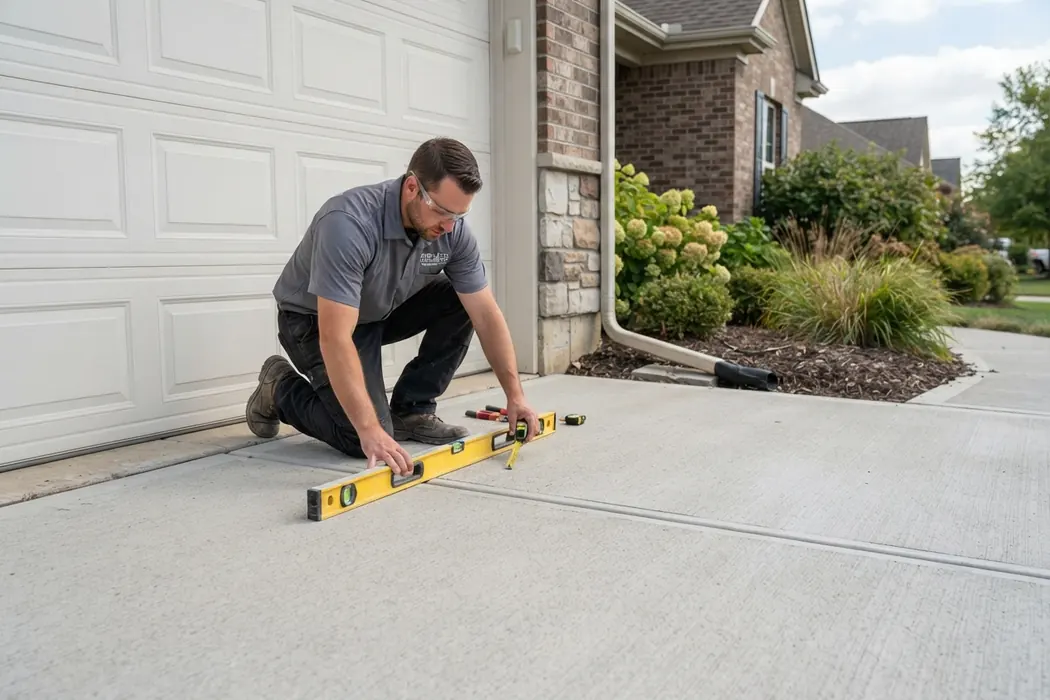
Take dated photographs from safe standing positions before work begins. Include the affected panels and nearby fixed features so the locations can be identified later. Keep the contractor’s measurements and observations with those images. Do not use a photograph or a short spirit level reading alone to diagnose the ground conditions beneath the concrete.
When reviewing mudjacking vs polyurethane cost after completion, check the final invoice against the approved scope. Note which panels were treated, what finish work remains and when the contractor says the driveway can be used. If you later notice a change, describe where and when it appeared and contact the company with the records.
Confirm the Next Step if Lifting Is Unsuitable
Ask what happens if the contractor’s inspection rules out lifting before work starts. Find out whether the assessment has a charge and what records you will receive. If replacement is recommended, request a new scope covering removal, the underlying preparation, new concrete and the affected edges. That gives you a separate decision to review.
Keep the original mudjacking vs polyurethane cost estimate with the assessment, but do not use it as the price for replacement. Ask the replacement bidder to identify the panels being removed and the intended finished condition. If another specialist needs to assess a drainage or ground issue first, clarify the order of work before accepting a start date.
\n
Frequently asked questions
Is polyurethane always worth its higher price?
No universal answer applies. Compare suitability, finish concerns, total scope, and the actual price difference for your slab. A more expensive material is useful only when it addresses a relevant need.
Will lifting erase existing cracks?
Do not expect that. Ask separately how cracks will be treated and what appearance will remain after the work.
Can I calculate the bill using the whole driveway size?
Only if that entire area is included. Contractors may quote selected panels, minimum charges, or material allowances, so use the written scope.
Can I lift a driveway myself with canned foam?
Ordinary consumer foam is not a substitute for a professionally selected concrete lifting system. Have the slab and ground assessed and the repair performed by a qualified contractor.
Sources
- HomeGuide: Polyjacking and mudjacking cost comparison
- Raise Rite Concrete Lifting: Polyurethane method description
Sources checked November 4, 2026. This guide helps US homeowners compare professional proposals; it does not specify a lifting design or equipment procedure. Images are illustrations.
Keep reading
Related Articles

Outdoor & Garden
How to Design a Low-Maintenance Inground Pool Budget Layout
Outdoor & Garden